Healing Attachment Wounds: How Early Connection Shapes Adult Relationships
Have you ever found yourself having a strong emotional reaction in a relationship and thinking, “I know this isn’t logical, so why does it feel so intense?”
Maybe you shut down during conflict even though you want to stay engaged. Or you feel a surge of panic when someone pulls away, even briefly. Or you overextend yourself to keep the connection intact, only to feel resentful and exhausted later.
The phrase “If it’s hysterical, it’s historical” is often used to capture a simple truth: when an emotional reaction feels bigger than the moment calls for, it’s usually pointing to something older.
These reactions aren’t a sign that something is wrong with you. They’re often signs of attachment wounds — patterns your nervous system learned early on about connection, safety, and survival.

When Letting Go Hurts: Understanding the Grief of a Relationship Ending
The end of a relationship often brings a level of emotional pain that can feel disproportionate to what the mind thinks “should” be happening. This is because breakups don’t simply represent the loss of a partner; they represent the loss of a source of emotional anchoring. We are wired to turn toward certain people for steadiness, comfort, and a sense of being understood. When that bond is disrupted, the nervous system reacts as if a core source of safety, regulation, and connection has been removed.

Soothing Your Nervous System: From Survival Mode to Safety
Have you ever wondered why a tense argument, a moment of silence, or even a sharp look from a loved one can send your heart racing, gut clenching, and palms sweating as if you are in real danger?
When most people think about "danger", they imagine physical threats, such as an oncoming aggressor, speeding car, or forest fire. However, your nervous system reacts to both physical and relational threats in very similar ways. Fear of abandonment, rejection, conflict, emotional withdrawal, or loss of connection can activate the very same neural pathways that respond to a car swerving in our direction.
These relational stressors activate the five "F's" of the body's survival response: fight, flight, freeze, fawn, or flop.

Why the Holiday Season Can Be So Hard for Some People
We’re often told the holiday season is “the most wonderful time of the year.” It’s portrayed as joyful, cozy, and filled with connection. But for many people, this season brings up something entirely different — activation, overwhelm, grief, loneliness, or a sense of not quite belonging.
If the holidays feel complicated for you, this isn’t a personal failing. It’s a reflection of your nervous system’s history, your attachment patterns, and the emotional landscape you’ve had to navigate throughout your life.
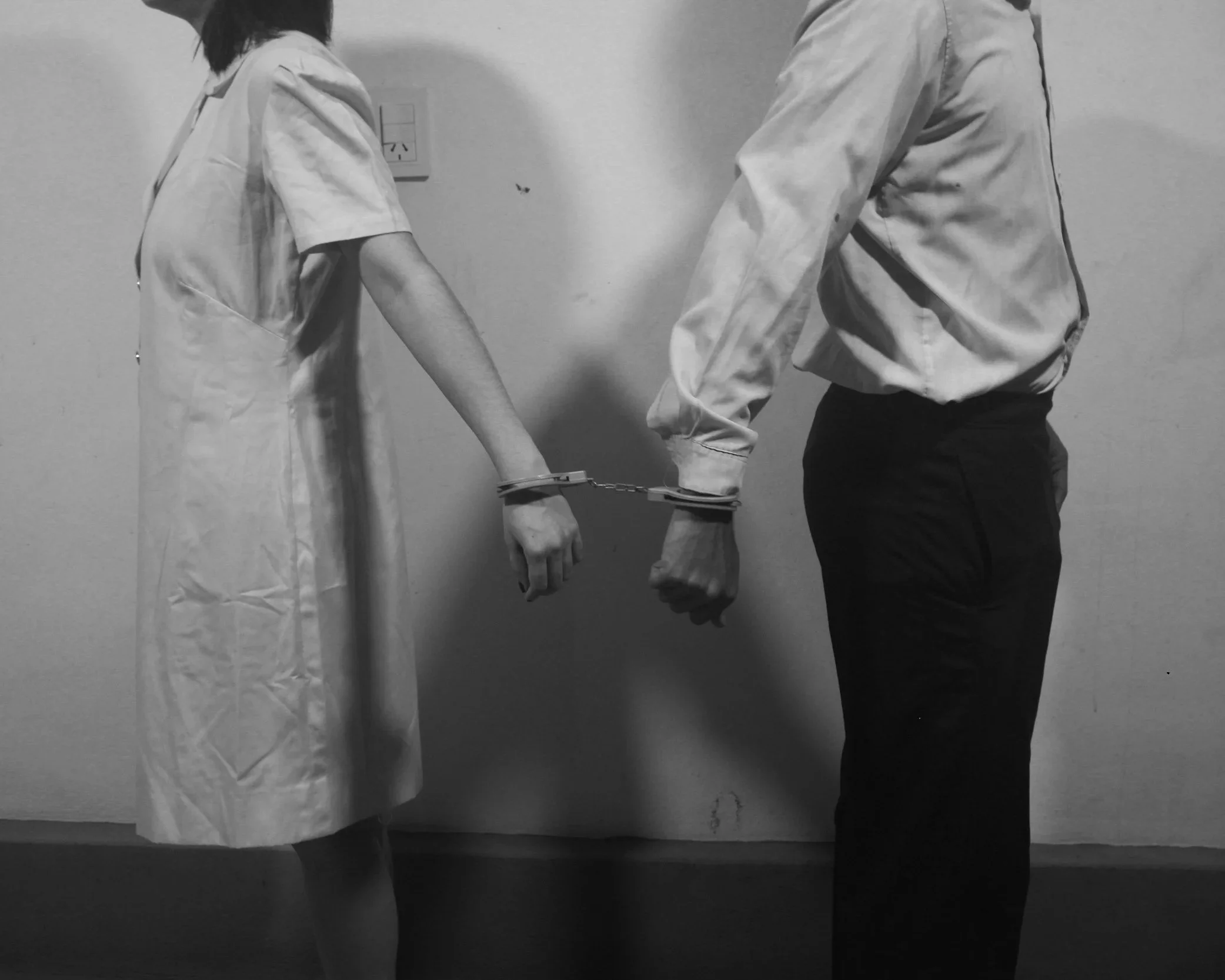
Trauma Bonds: Why We Stay Far Past the “Expiration Date”
Have you ever watched someone you love keep returning to a partner who hurts them again and again? Or noticed this pattern in yourself and wondered, “Why can’t I just leave?” Trauma bonds are one of the most powerful forces that keep people in relationships long after they know the connection is no longer safe or healthy.
The term “trauma bond” gets tossed around frequently in popular culture. It's often used to describe people who are bonded because they experienced something traumatic together, ranging from two friends who nursed each other through breakups to individuals who served in active duty side by side. While those are very real examples of bonding through shared traumatic experiences, this is not the kind of trauma bond I will be describing.

Being with What Hurts: A Guide to Moving Through Your Painful Emotions
Being with discomfort doesn’t mean getting consumed by pain or wallowing in self-pity. It also doesn’t mean living in a constant pursuit of personal growth. Instead, it’s about allowing the natural ebb and flow of your emotional world to exist without judgment or letting it control your actions, and trusting that your emotions carry wisdom that can guide your actions and choices.
So, how do we actually do this in real time?

The Redemption Story: Why We Keep Repeating the Same Relational Patterns & Hoping for a Different Outcome
Have you ever watched a friend date the same kinds of people over and over again and thought to yourself, “When will they ever learn?" They say they’re looking for “The One” but end up reliving the same issues as their last relationship, and the one before that and before that…
Or do you even notice these patterns in yourself? Find yourself stuck in the same vicious loop, all the while hoping for a different outcome.

Emotionally Charged Relationships: “Are We Too Far Gone for Our Relationship to Heal?”
Many couples come to therapy after struggling for a long time. By the time they arrive, it’s common for partners to view each other’s behavior as the problem — “If only they would change.” Often, they ask, “Are we too far gone for this to work?”

What We Resist — Persists. What We Feel — Heals.
Most of us are taught—directly or indirectly—that uncomfortable emotions are problems to get rid of. You’ve probably heard the phrase, “What you resist, persists.” But you may not have heard the other side of the coin: “What you feel, heals.”

What Self-Care Is (and What It’s Definitely Not)
Self-care shouldn’t feel like another task to check off your to-do list.
It’s not supposed to feel like an obligation, a chore, or another thing you’re “failing at.”
Real self-care is about self-respect, not perfection. It’s about tuning into what your mind and body need — not what social media or society says you should be doing.

Emotional Dependency: Why Needing Others Is Our Greatest Strength
For decades, we’ve been told that emotional independence is the hallmark of maturity — that “healthy” adults should be self-sufficient, detached, and able to stand on their own.
But what if that’s a myth?
What if needing others isn’t a weakness at all — but rather a reflection of what makes us most human?